The Surprising Benefits of Organic Cotton: Why Your Skin and Planet Thank You
Super Admin
Contributor
May 28, 2026
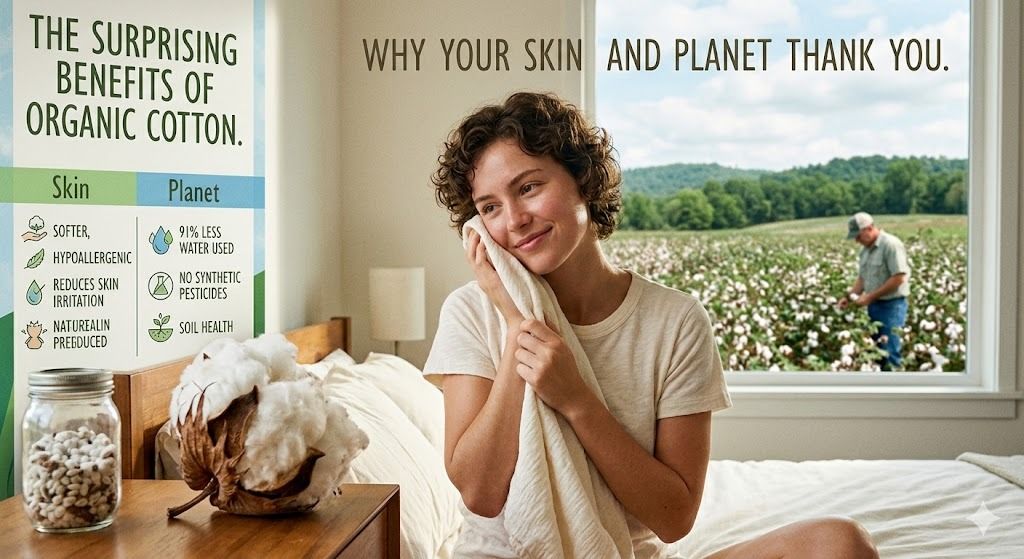
The Surprising Benefits of Organic Cotton: Why Your Skin and Planet Thank You
Imagine slipping into a soft, breathable t-shirt that not only feels incredible against your skin but also supports a healthier planet. That’s the magic of organic cotton. Grown without synthetic pesticides, herbicides, or genetically modified seeds, organic cotton represents a cleaner, kinder choice for your wardrobe and the world. In this post, we’ll uncover the top benefits of organic cotton—from its gentle touch to its deep environmental impact.
What Is Organic Cotton?
Organic cotton is cotton cultivated using methods and materials that have a low impact on the environment. Unlike conventional cotton farming—which relies heavily on chemical inputs—organic production relies on natural processes like crop rotation, beneficial insects, and compost to maintain soil fertility and control pests. This approach yields fiber that is free from harmful residues and supports biodiversity.
5 Key Benefits of Choosing Organic Cotton
1. Better for Your Skin
Conventional cotton is often treated with harsh chemicals, even after harvesting, which can linger in finished fabrics. Organic cotton, by contrast, is produced without toxic dyes, formaldehyde, or bleach finishes. For anyone with sensitive skin, allergies, or conditions like eczema, organic cotton is a soothing, hypoallergenic alternative. Its breathable nature also helps regulate body temperature, reducing irritation.
2. Hugely Positive Environmental Impact
Switching to organic cotton can significantly lower your ecological footprint. Here’s how:
- No synthetic pesticides — Organic farming avoids the 1.8 billion pounds of synthetic pesticides used annually on conventional cotton.
- Less water usage — Organic cotton relies on rain-fed farming in many regions, cutting irrigation needs by up to 91% compared to conventional methods.
- Healthier soil — Crop rotation and natural fertilizers build rich, living soil that stores carbon and supports diverse microorganisms.
- Reduced carbon emissions — Organic systems emit about 46% less CO₂ than conventional cotton production, according to some studies.
3. Supports Fair Trade and Ethical Labor
Organic cotton certifications often go hand-in-hand with fair labor practices. The Global Organic Textile Standard (GOTS), for example, enforces strict social criteria: no child labor, safe working conditions, and fair wages. Choosing organic cotton means supporting supply chains that value people over profit.
4. Durable and High-Quality Fabric
Because organic cotton fibers are harvested later in the season when they are naturally stronger, they produce longer, more robust threads. This results in fabric that is less prone to pilling, tearing, or fading. With proper care, organic cotton garments can outlast their conventional counterparts, saving you money and reducing waste.
5. Free from Genetically Modified Organisms (GMOs)
Over 90% of conventional cotton grown worldwide is genetically modified to resist pests and herbicides. Organic cotton is strictly non-GMO, preserving natural biodiversity and protecting local ecosystems from cross-contamination.
How to Identify True Organic Cotton
Navigating labels can be tricky. Look for certifications like:
- GOTS (Global Organic Textile Standard) — The world’s leading organic textile standard, ensuring environmental and social compliance.
- OEKO-TEX Standard 100 — Tests for harmful substances but does not guarantee organic farming.
- USDA Organic — Required for textiles sold in the U.S. that claim organic status.
Avoid vague terms like “natural” or “green” without a certification logo.
Frequently Asked Questions
Is organic cotton really better for the environment?
Yes. Studies show organic cotton uses significantly less water, avoids synthetic pesticides, and produces fewer greenhouse gas emissions compared to conventional cotton.
Does organic cotton shrink more than conventional cotton?
Not inherently. Any cotton can shrink when exposed to high heat. Follow care instructions (cold wash, air dry) to minimize shrinkage for both types.
Why is organic cotton more expensive?
Organic farming is more labor-intensive and yields are often lower, plus certification costs add to the price. However, the long-term benefits to health, planet, and garment durability often offset the initial cost.
Can I compost organic cotton?
Yes! Clean, untreated organic cotton is biodegradable and can be composted. Just remove tags and seams first.
What about organic cotton for children?
It’s an excellent choice. Kids’ skin is thinner and more absorbent, making them more vulnerable to toxins. Organic cotton reduces their exposure while being soft and safe.
Choose Organic, Choose Change
The benefits of organic cotton go far beyond a softer shirt. Every time you choose a certified organic cotton product, you’re voting for cleaner water, healthier soil, fair labor, and a garment that will serve you faithfully for years. Small changes add up—so next time you shop, read the label and make the switch. Your skin, your planet, and the farmers who grow it will thank you.
Written by
Super Admin